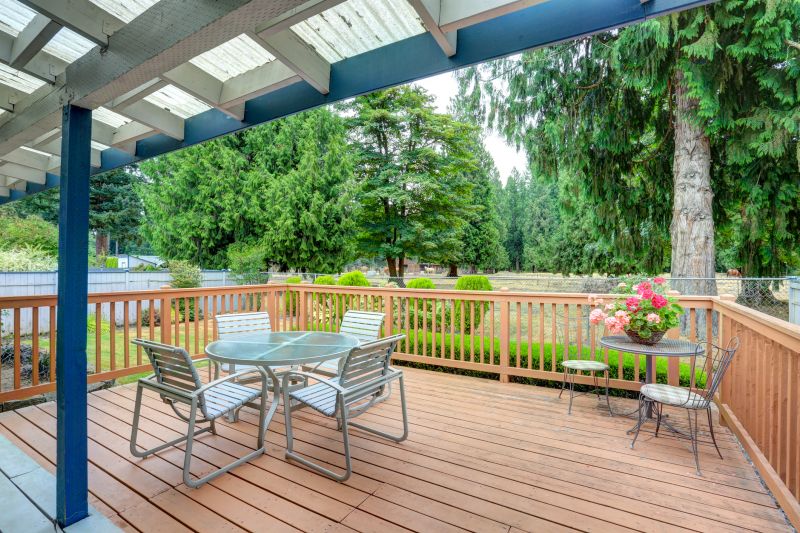
Floating Deck Installation in Fairfield County, CT
Floating deck installation services provide a versatile solution for creating additional outdoor living space on residential properties. These decks are typically built above ground level, often supported by piers or posts, making them suitable for uneven terrain or areas where a traditional foundation isn’t feasible. Homeowners commonly request these installations for backyard patios, poolside lounging areas, or to enhance existing outdoor spaces with an elevated platform that adds style and functionality. Before requesting a floating deck, property owners should consider factors such as the deck’s intended use, size, location, and any local regulations or permits that may be required.
Understanding the scope of a floating deck project is essential for homeowners. It’s important to determine the desired dimensions, materials, and design features, such as railings or built-in seating. Property owners often want to know about the level of maintenance involved, compatibility with existing landscaping, and how the deck will integrate with the overall outdoor layout. Clarifying these details can help ensure the installation aligns with personal preferences and property requirements, resulting in a functional and attractive addition to the home’s exterior.
Many property owners in Fairfield County, CT look into Floating Deck Installation for repairs, replacements, upgrades, and appearance-related improvements.
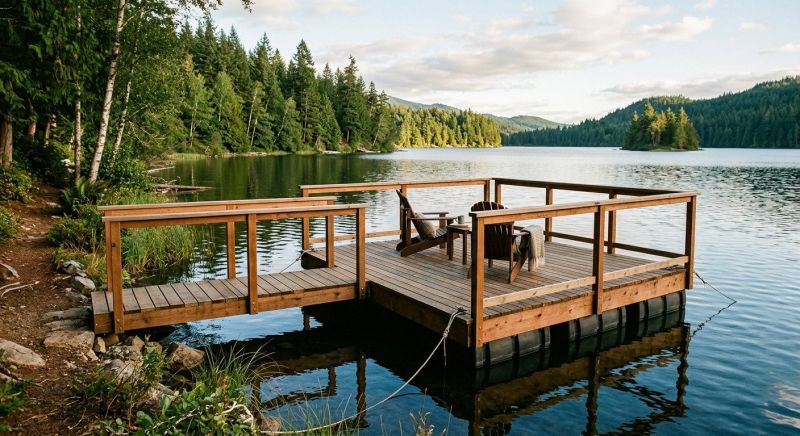
Custom Floating Deck Designs
Floating decks can be tailored to complement various outdoor spaces and styles.
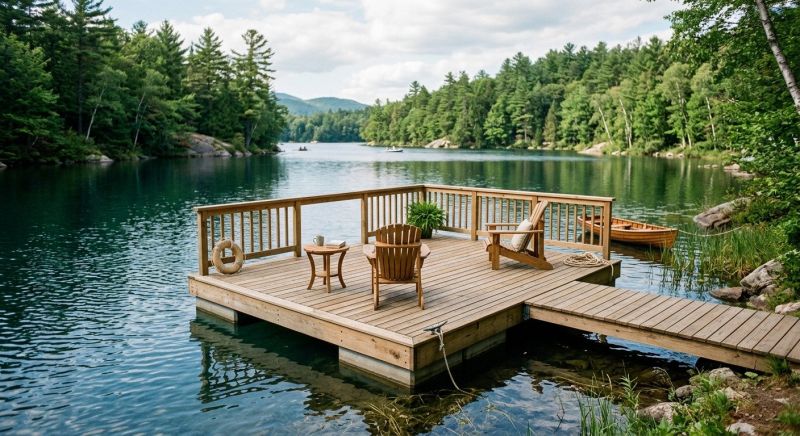
Enhancing Outdoor Living Areas
A floating deck provides a versatile platform for relaxation, entertaining, and outdoor activities.
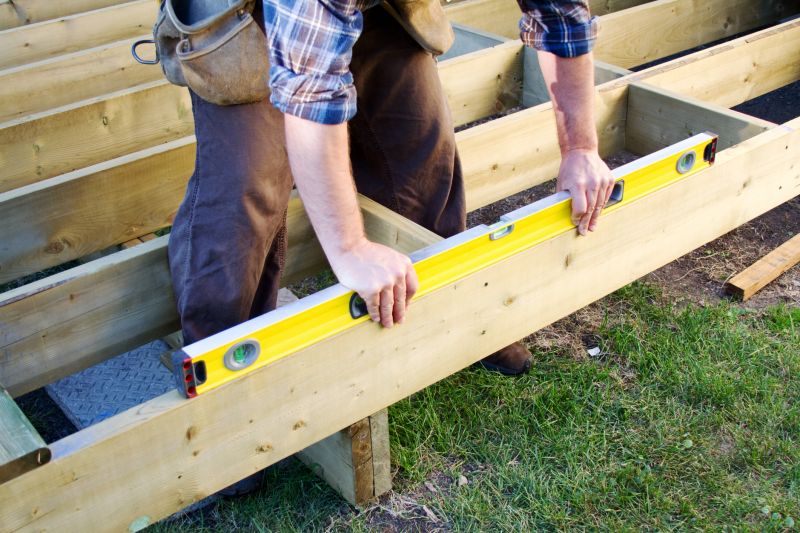
Durable And Low-Maintenance Materials
Choosing the right materials ensures a long-lasting deck that withstands fairfield county weather conditions.
Floating Deck Installation in Fairfield County, CT
Floating deck installation services provide a versatile solution for creating additional outdoor living space on residential properties. These decks are typically built above ground level, often supported by piers or posts, making them suitable for uneven terrain or areas where a traditional foundation isn’t feasible. Homeowners commonly request these installations for backyard patios, poolside lounging areas, or to enhance existing outdoor spaces with an elevated platform that adds style and functionality. Before requesting a floating deck, property owners should consider factors such as the deck’s intended use, size, location, and any local regulations or permits that may be required.
Understanding the scope of a floating deck project is essential for homeowners. It’s important to determine the desired dimensions, materials, and design features, such as railings or built-in seating. Property owners often want to know about the level of maintenance involved, compatibility with existing landscaping, and how the deck will integrate with the overall outdoor layout. Clarifying these details can help ensure the installation aligns with personal preferences and property requirements, resulting in a functional and attractive addition to the home’s exterior.
Many property owners in Fairfield County, CT look into Floating Deck Installation for repairs, replacements, upgrades, and appearance-related improvements.
Common Floating Deck Installation Jobs
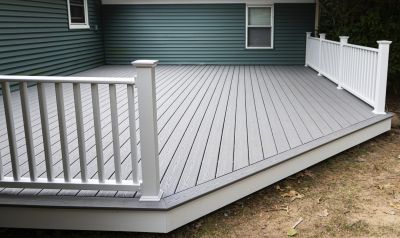
Floating deck installation involves building a sturdy platform that rests directly on the ground or over a surface.
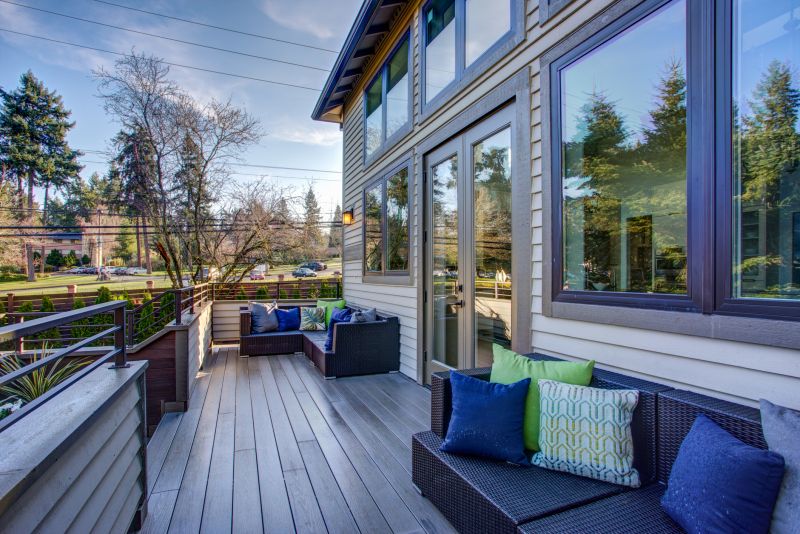
Outdoor entertaining decks create additional space for gatherings and relaxing in the backyard.
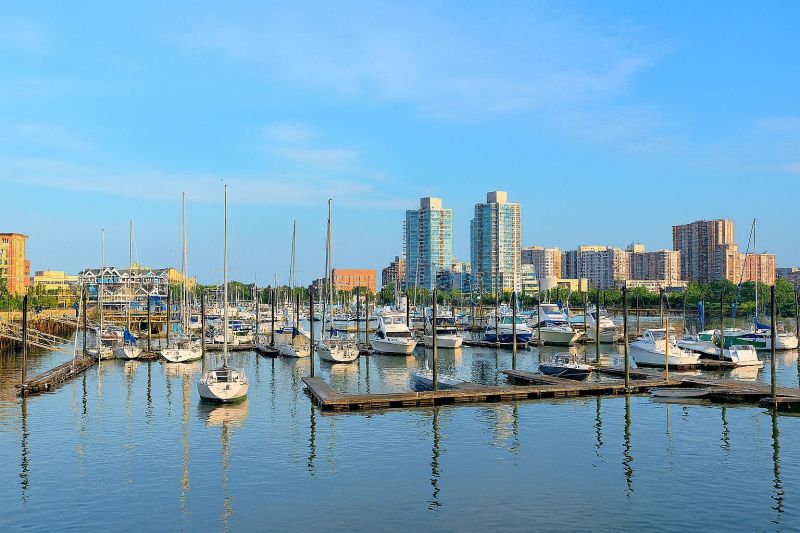
Waterfront or lakeside decks provide a stable area for enjoying views and outdoor activities near water.
Low-maintenance deck setups focus on durable materials that withstand weather without frequent upkeep.
Custom floating decks can be designed to match specific yard layouts and aesthetic preferences.
Foundation preparation services ensure a secure, level base for long-lasting deck performance.
Floating Deck Installation Questions
What is a floating deck? A floating deck is a freestanding structure that sits directly on the ground without being attached to a building or existing deck.
What are common uses for a floating deck? They are often used for outdoor entertaining, creating a backyard seating area, or as a base for a hot tub or grill.
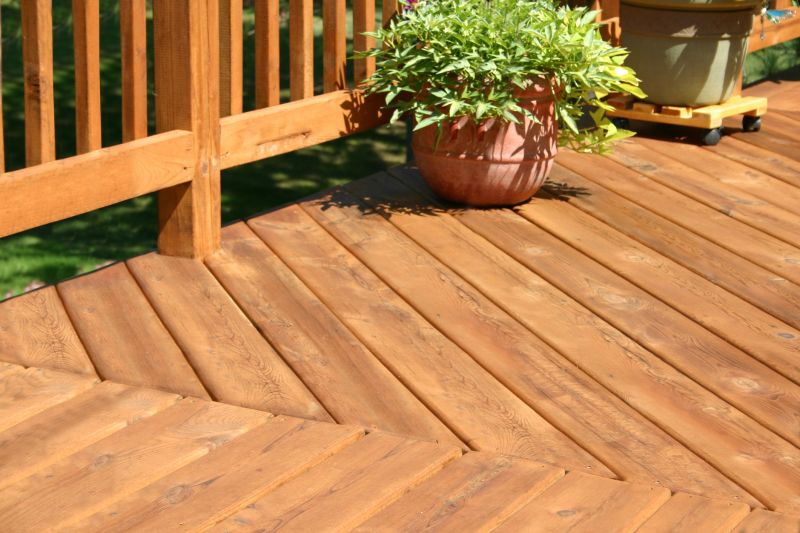
What materials are typically used for floating decks? Common materials include pressure-treated wood, composite decking, and cedar, chosen for durability and appearance.
Is a floating deck suitable for uneven ground? Yes, floating decks can be built on uneven terrain with proper leveling and support adjustments.
Request Floating Deck Installation in Fairfield County, CT
Use the quote form on this page to share the basics of your project and request more information for the type of work you need.